Posted on January 22, 2026
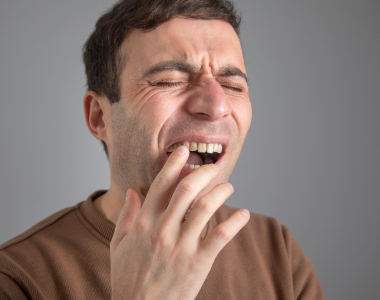
Accidents happen, and occasionally they involve your teeth. Chipped or cracked teeth can be a frightening experience. Being aware of what to do in the initial minutes following a tooth injury can preserve the tooth.

A chipped tooth is a dental emergency, but it’s manageable. Acting fast helps prevent further damage or infection.
If part of the tooth has broken off:
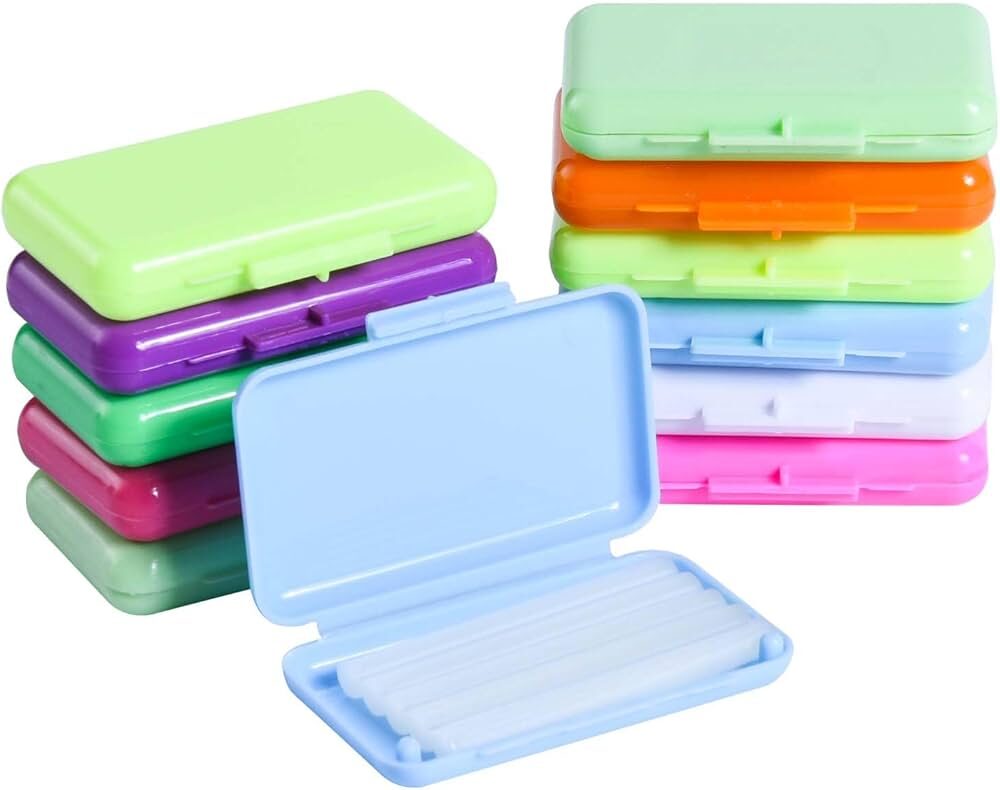
If the tooth is sharp, you can cover the edge with:
This protects your tongue and cheeks from cuts.
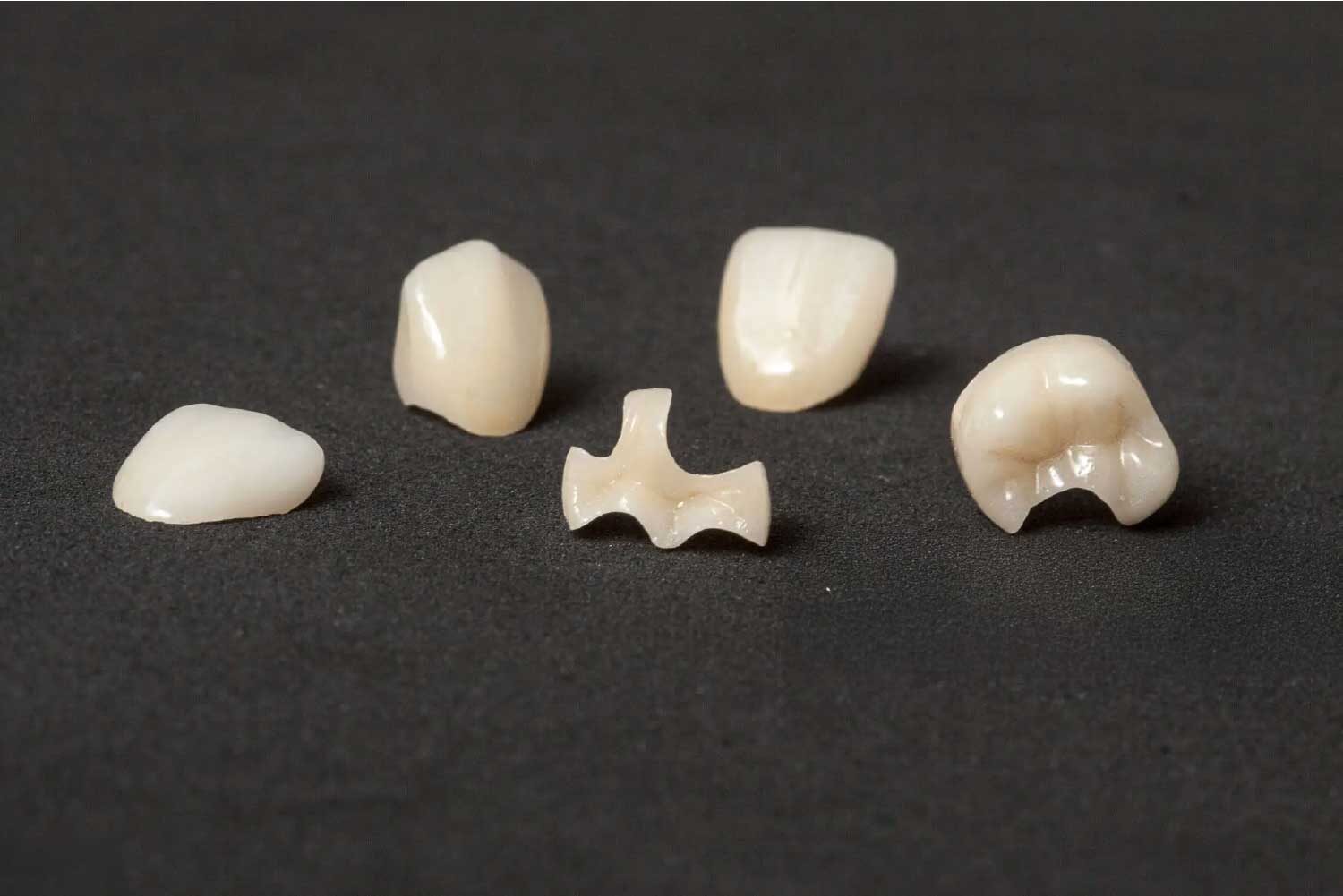
Chipped or broken teeth do not repair themselves. A dentist can recommend treatment based on the severity of the break.
You may need:
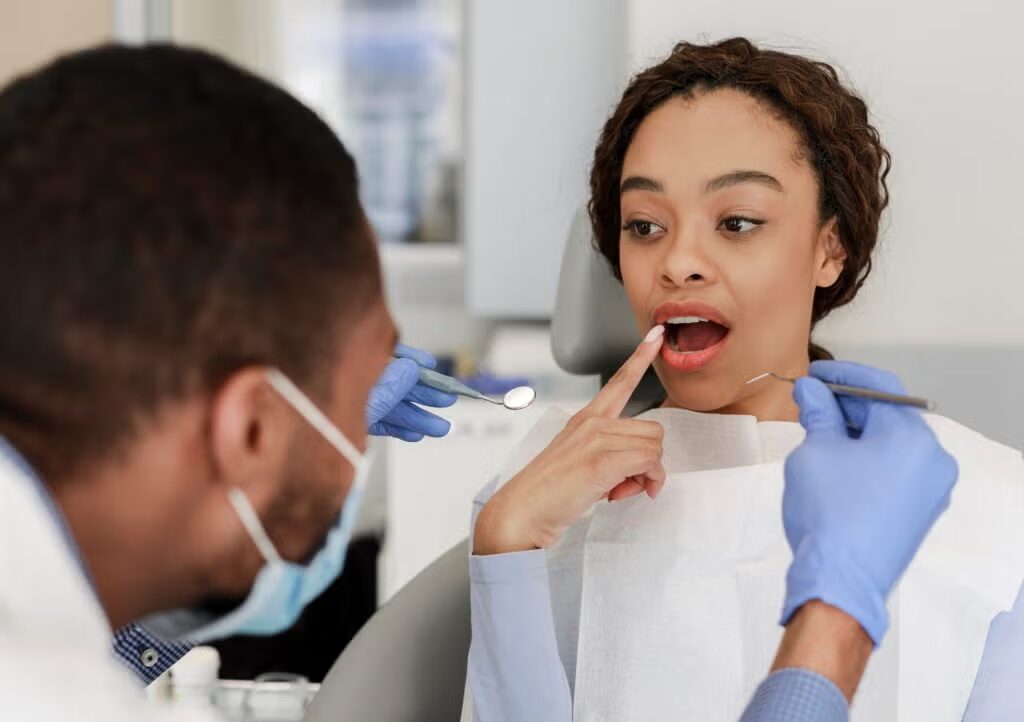
Seek immediate care if you experience:
While not every accident can be avoided, these habits help protect your teeth long term:
A chipped or broken tooth can feel very overwhelming, but quick action makes all the difference. Make sure to rinse the tooth, protect it, avoid chewing on it, and contact a dental professional as soon as possible. Dental teams help restore your tooth, relieve discomfort, and prevent complications so you can get back to smiling confidently again.
Find us here
We are delighted to welcome you to our practice and are pleased that you chose us to serve your dental needs.
En Español • In English — we are here to help