Posted on November 29, 2019
Toothache
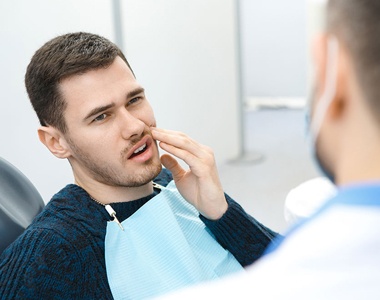
If your mouth or jaw hurt, it could from a toothache. Toothaches sometimes indicate a cavity but they can also signal gum disease. In some cases, an ache may be a sign of an abscess or impacted tooth. Do not wait for a toothache to get better on its own, it should be evaluated by a dentist quickly to find out the cause of the problem and prevent the problem from getting worse.
Sensitive Teeth
If your teeth hurt after you drink hot or cold beverages, you may have sensitive teeth. This can be the result of tooth decay, fractured teeth, worn fillings, gum disease, worn tooth enamel or an exposed tooth root due to gum recession. Treatment will depend on the cause of sensitivity. If you’re concerned regarding the sensitivity of your teeth, see your dentist for diagnosis and treatment options.
Bleeding or Sore Gums
Bleeding or sore gums may be a symptom of gingivitis, an early and reversible stage of gum disease or just the results of brushing too hard or beginning a new flossing routine. If your gums bleed regularly or enough to worry you, make an appointment with your dentist or physician, it could be a sign that something else is wrong.
Mouth Sores
Types of mouth sores include canker sores, cold sores, leukoplakia, and moniliasis. Each of these types of sores vary in their severity, and can indicate different types of dental issues. Mouth sores can be a symptom of a disease or disorder, infections from bacteria, viruses or fungus, irritation caused by braces, dentures or the sharp edges of a broken tooth or filling. Your dentist should examine any mouth sore that lasts a week or longer.
Bad Breath
Bad breath can be caused by what you eat, not cleaning your mouth, dry mouth, smoking or other medical conditions. Persistent bad breath may be a warning sign of gum disease. Brushing twice a day and flossing daily are essential to reducing bad breath and preventing gum disease. Brushing your tongue will help too. If you’re concerned regarding the cause of your bad breath, see your dentist. They can determine the cause and treatment plan.
Dry Mouth
If you have dry mouth it may be a symptom of a medical disorder or a side effect of certain medications. Saliva is the mouth’s primary defense against tooth decay. It washes away food and other debris, neutralizes acids produced by bacteria in the mouth and provides disease-fighting substances throughout the mouth. Your dentist can recommend ways to restore moisture.
Oral Piercing Infection
Oral piercings can produce a wide range of issues for your health, oral and otherwise. Your mouth is home to very large amounts of bacteria, creating an ideal place for an infection to start. If you’ve got any signs of infection, swelling, pain, fever, chills, shaking or a red-streaked appearance around the site of the piercing, contact your dentist or physician immediately.
Cracked or Broken Teeth
A cracked or broken tooth can happen for a variety of reasons—brittle teeth, teeth grinding, or acute tooth injury like a sports accident. The crack could be invisible to the naked eye and even X-ray, but they will be incredibly painful and can cause bigger problems if left untreated. If you experience pain when chewing, see your dentist. They can diagnose the cause and develop a plan for treatment.
Find us here
We are delighted to welcome you to our practice and are pleased that you chose us to serve your dental needs.
En Español • In English — we are here to help